
A drone view of Oroville Dam at Lake Oroville in Butte County, California. Photo taken January 8, 2026. 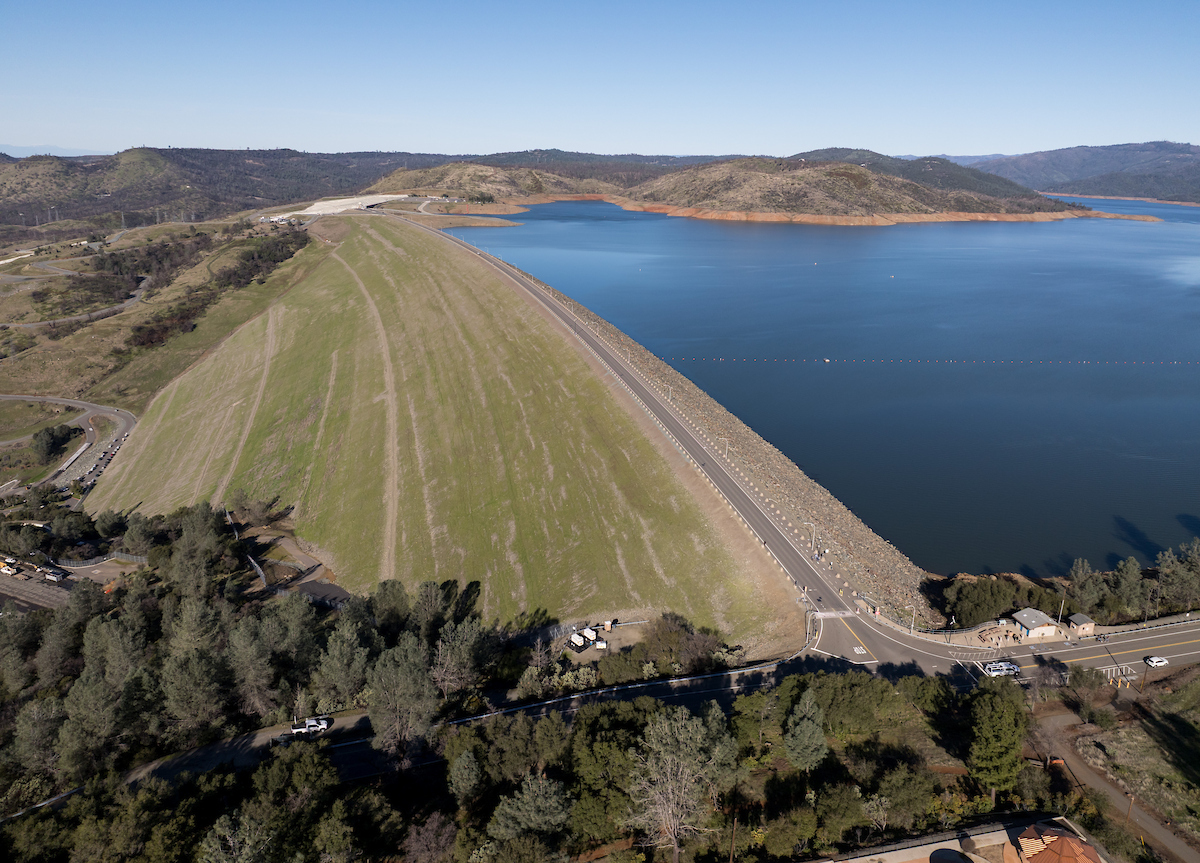
SACRAMENTO, Calif. – Today, the Department of Water Resources (DWR) announced an increase to the State Water Project (SWP) allocation for 2026. The allocation is now 30 percent of requested supplies, up from the initial allocation of 10 percent on December 1. Storms in mid-December have made it possible for the SWP to increase the expected amount of water deliveries this year to the 29 public water agencies served by the SWP, which provides water to 27 million Californians and 750,000 acres of farmland.
SWP allocations are based on a number of factors including hydrological conditions, existing reservoir storage, and an assumption of dry conditions through the rest of the year. The assumption of dry conditions is increasingly important given the shrinking and warming of California’s traditional precipitation season. In December, all of California benefited from winter storms. However, January has been unseasonably dry and warm and, as a result, snowpack and precipitation are below average for this time of year.
“What Mother Nature provides each winter is the main driver of our State Water Project allocations and it is increasingly unpredictable,” said DWR Director Karla Nemeth. “We need to adapt our water system to capture as much as possible during warm and wet storms. We are now managing during these storms with more real-time information about potential harm to state and federally protected species. Operational flexibility matters because every drop counts.”
Despite the dry January, California’s reservoirs remain above average at 125 percent statewide. Lake Oroville, the SWP’s largest reservoir, is at 138 percent of average for this time of year.
In December, the SWP received approval from the California Department of Fish and Wildlife for an amendment to their Incidental Take Permit (ITP) that helps guide operations of the SWP. This amendment allows for flexibility in decision-making around fish protection actions, including for a pumping reduction known as a “first flush” action. First flush is triggered when early winter storms swell river flows. DWR analysis shows that the rules triggering these actions can sometimes be relaxed without impacts to listed species. That flexibility allowed the SWP to capture 15,000 acre-feet of additional water supply in December and January, enough to support 45,000 homes for a year. The SWP will continue utilizing real-time operational flexibility to benefit water users and the environment.
How the remainder of the season plays out will be critical to any future allocation increases. February and March are the last of our traditional wet months and additional snowstorms will be needed to boost the snowpack and set California up for the dry summer months. DWR will conduct its next snow survey later this week. The February 1 snow survey measurements from the California Cooperative Snow Surveys Program and the airborne snow observatory flights guide decision making for SWP water managers and play a significant role in future allocation updates.
Each year, DWR provides the initial SWP allocation based on available water storage, projected water supply and water demands. Allocations are updated monthly as snowpack, rainfall and runoff data is analyzed, with a final allocation typically determined near the end of the season in May or June.
Historical data on SWP allocations is available at https://water.ca.gov/programs/state-water-project/management/swp-water-contractors.
Contact:
Ryan Endean, Public Affairs, Department of Water Resources
media@water.ca.gov